What Happens When You Stop Treating Every Craving Like an Emergency
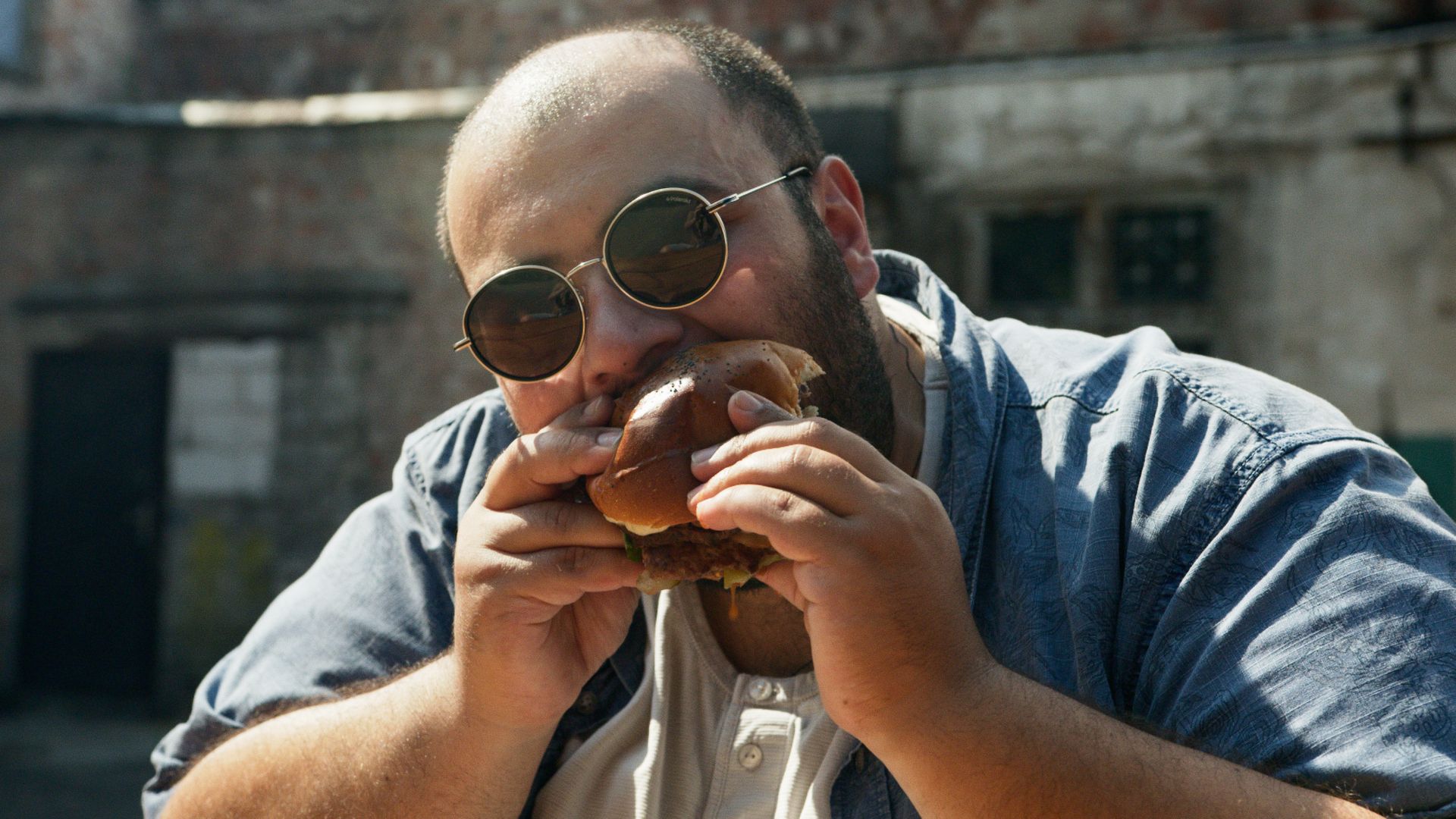
You know the feeling. Suddenly, you need chocolate. Or chips. Or that burger you’ve been thinking about since lunchtime. The craving feels urgent, almost like your body is sending you an emergency alert: Eat this now. But what if you didn’t? That doesn’t mean ignoring hunger or banning your favorite foods. It simply means creating a little space between having a craving and automatically acting on it. When you stop treating every craving like an emergency, you may discover that cravings are often less powerful—and less permanent—than they initially seem.

A Craving Isn’t Always Hunger
One of the first things you may notice is that cravings and hunger aren’t quite the same thing. Hunger tends to build gradually, while a craving can appear suddenly and focus intensely on a particular food. You might be physically satisfied after dinner but still want something sweet while watching television. That’s not necessarily a sign that your body needs more food. Sometimes it’s a habit, an association, boredom, stress, or simply seeing or thinking about something delicious. Learning to recognize the difference can make your eating habits feel much less confusing.
The Urge May Become Easier to Handle
Cravings can feel incredibly strong when you believe you have to respond immediately. But when you pause instead, the intensity may change. Try waiting for a few minutes before deciding what to do. Have some water, change rooms, take a short walk, or notice what you’re feeling. You don’t have to promise yourself that you’ll never eat the food. You’re just giving yourself time to make a conscious decision rather than reacting automatically.
You May Start Noticing Your Triggers
Once you stop immediately satisfying every craving, you can notice patterns. Maybe you always crave something sweet when you’re stressed at work. Perhaps late-night snacking happens mostly when you’re bored. Maybe scrolling through social media makes certain foods suddenly seem irresistible. These observations can be surprisingly useful. Instead of thinking, “I have no self-control,” you can start asking, “What was happening right before this craving appeared?” That’s a much more helpful question.
Food Can Become Less Emotionally Charged
When certain foods are labeled “bad” or completely forbidden, they can become even more tempting. Every craving can turn into a little internal argument. Pausing without strict food rules can take some of that emotional pressure away. A cookie becomes a cookie—not something you have to resist or urgently binge on. Over time, food can start feeling more ordinary and less like a test of willpower.

You Might Make More Intentional Choices
Pausing doesn’t mean you’ll always decide against the craving. Sometimes you’ll still want the chocolate, and you’ll eat it. That’s perfectly different from automatically reaching for it without thinking. The difference is intention. You might realize you’re genuinely hungry and choose a satisfying meal. Or you might decide that you really do want a piece of cake and enjoy it without guilt. Either way, you’re responding to yourself instead of feeling controlled by the craving.
You Can Still Enjoy Your Favorite Foods
Perhaps the biggest misconception is that managing cravings means eliminating enjoyable foods. It doesn’t have to. A relaxed approach to eating can include pizza, ice cream, fries, chocolate, and all the other foods people sometimes feel they “shouldn’t” eat. The goal isn’t perfection. It’s learning to recognize when you’re hungry, when you’re craving something, and when another need—like rest, comfort, or a break—might be underneath the urge.
Not every craving needs an immediate response. Sometimes the most useful thing you can do is pause. When you create that small gap between craving and action, you may become more aware of your hunger cues, emotional triggers, habits, and preferences. And perhaps most importantly, you can stop viewing every desire for food as something that needs to be defeated.